

Lake Wildlife
Our lake is never mute about its charm — thanks to the resident pair of mute swans who glide in like feathered royalty, stealing hearts and hatching new ‘cyg‑nificant’ additions each year. On the flip side, the Canadian geese seem to think they own the shoreline, leaving behind more than just fond memories (and let’s just say their calling cards aren’t exactly ‘goose‑bumps’ inducing). From swan songs to goose groans, our wildlife page celebrates the beauty, the quirks, and the occasional mess of life on the water.
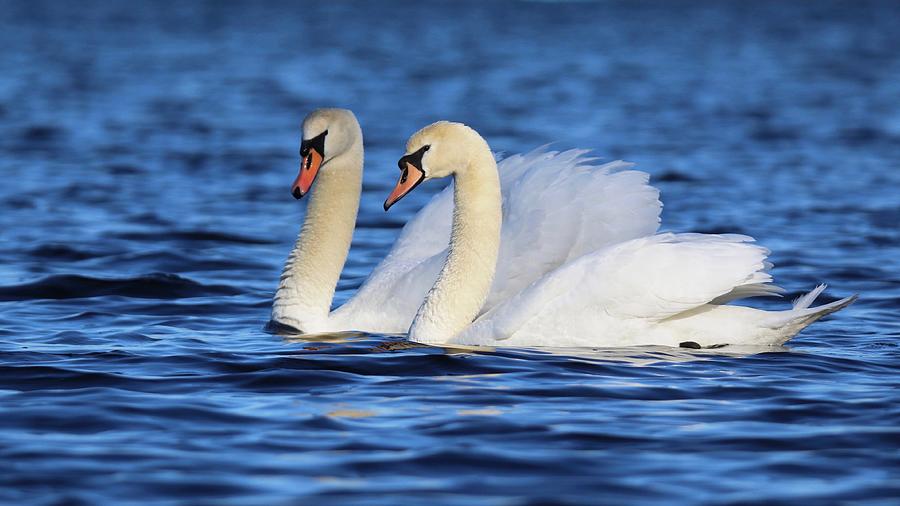
The Mute Swan (Cygnus olor) is one of the most iconic and graceful waterfowl species, instantly recognizable by its long, curved neck, bright orange bill with a black knob, and striking white plumage. Native to Europe and Asia, Mute Swans were introduced to North America in the late 19th century and have since established populations in many lakes, ponds, and coastal areas. Despite their name, they are not truly silent; they communicate through hisses, grunts, and wing beats rather than loud calls. Mute Swans are highly territorial, especially during nesting season, and pairs often return to the same site year after year to raise their cygnets. While admired for their elegance and beauty, they can also be aggressive in defending their nests and may compete with native waterfowl for habitat and food. Their presence on Runyan Lake adds both visual splendor and ecological complexity to the community’s wildlife experience.
Runyan Lake History
Mute swans have established themselves as part of Runyan Lake’s wildlife community, with breeding pairs frequently returning to raise several cygnets each season. Residents note that the swans are generally docile and tolerant of people, provided their young are not disturbed, though they remain protective parents when cygnets are present. Their presence has also helped reduce the number of Canada geese on the lake, offering both aesthetic appeal and a measure of natural “goose control.” While state agencies classify mute swans as a non‑native species with potential ecological impacts, the Runyan Lake community has largely observed them as graceful, charismatic birds that contribute to the lake’s character and charm.
Resources
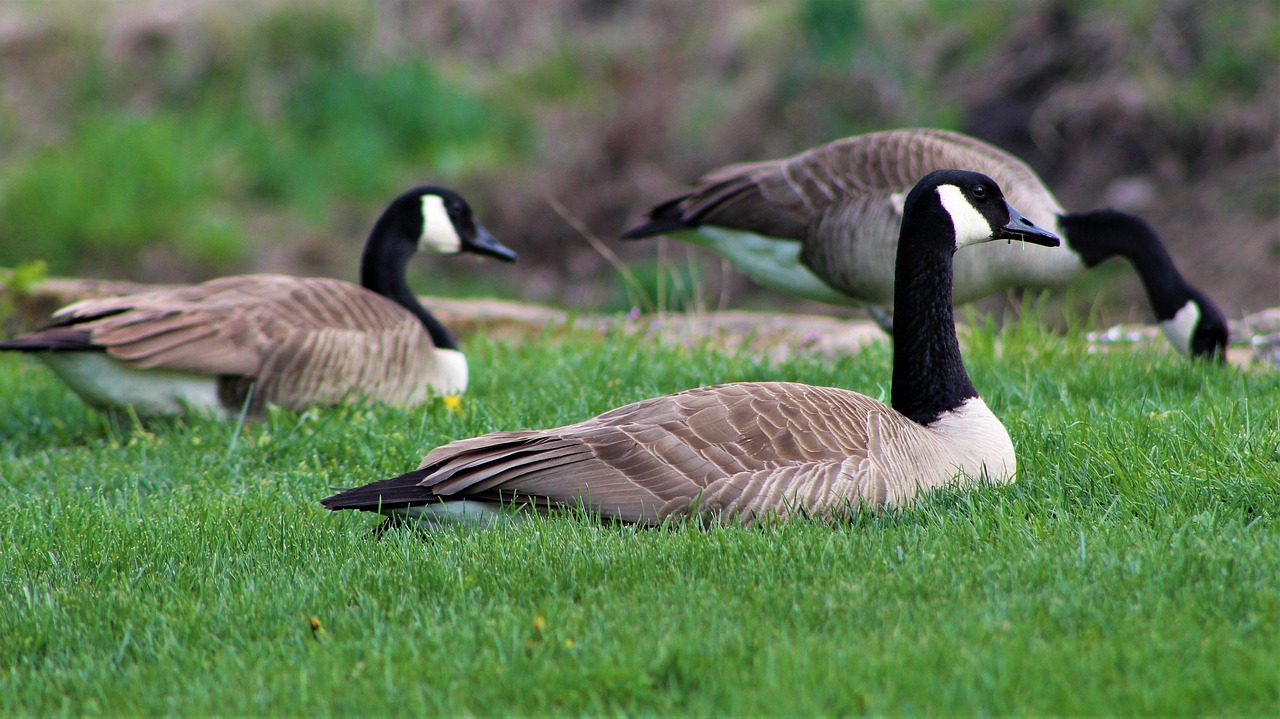
The Canada Goose (Branta canadensis) is a large, easily recognized waterfowl distinguished by its black head and neck, white cheek patches, and brown body. Native to North America, these geese are highly adaptable and thrive in a wide range of habitats including lakes, ponds, marshes, and open fields. Traditionally migratory, they are famous for flying in V‑formations during seasonal movements, yet many populations have become year‑round residents in suburban and urban areas where food and open lawns are abundant. Primarily herbivorous, Canada Geese graze on grasses and aquatic plants, but their growing numbers in human‑altered environments have led to challenges such as overgrazing, aggressive territorial behavior, and significant waste accumulation. While admired for their resilience and iconic presence, they are also often regarded as a nuisance species when populations become concentrated around recreational waters.
Runyan Lake History
Over the years, Runyan Lake Inc. has actively participated in Michigan DNR and USDA‑approved Canada Goose management programs to address the nuisance and health concerns caused by large goose populations. The first roundup in 2008 removed 47 geese, followed by annual efforts that varied in success depending on permits and bird behavior. In subsequent years, numbers ranged from 14 geese in 2009 to 38 in 2019, with some years (2010–2014) seeing no removals when geese avoided capture or were absent. Programs were cancelled in 2015 due to avian influenza, in 2016 due to insufficient petition signatures, and in 2020 because of COVID‑19 restrictions. More recently, 2021 saw 26 geese removed, while 2022 and 2023 relied on egg harvesting and nest destruction after roundups were cancelled again due to avian influenza concerns. Throughout this history, the community has consistently petitioned for permits, coordinated with licensed contractors, and adapted to changing regulations, reflecting both the persistence of goose populations and the challenges of long‑term management.